

The Mastery of eshetic composite
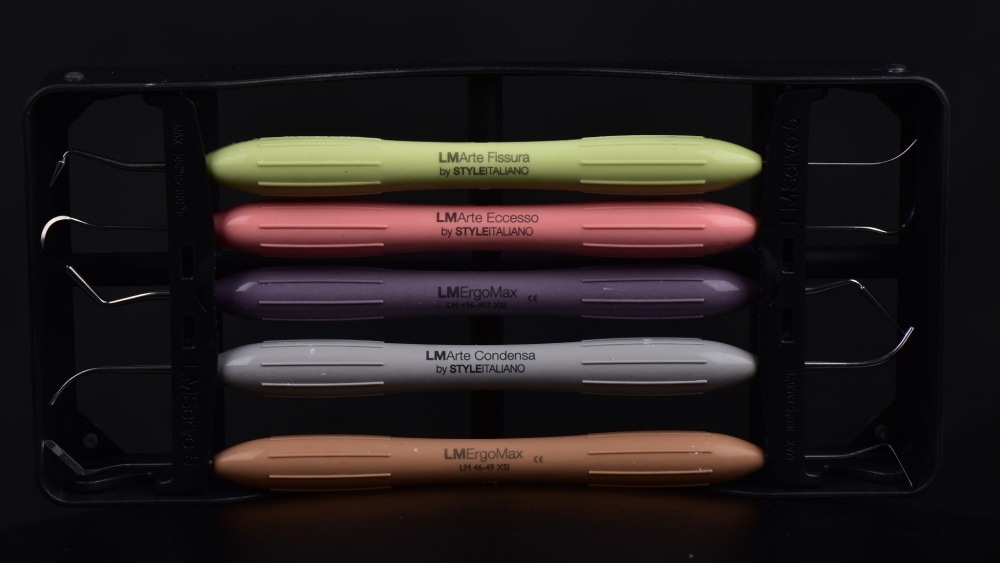
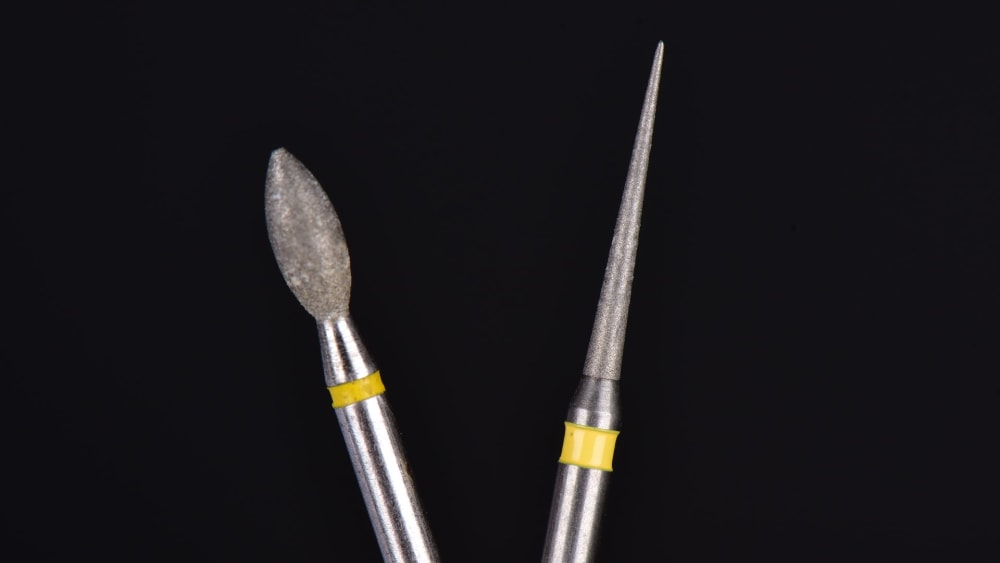
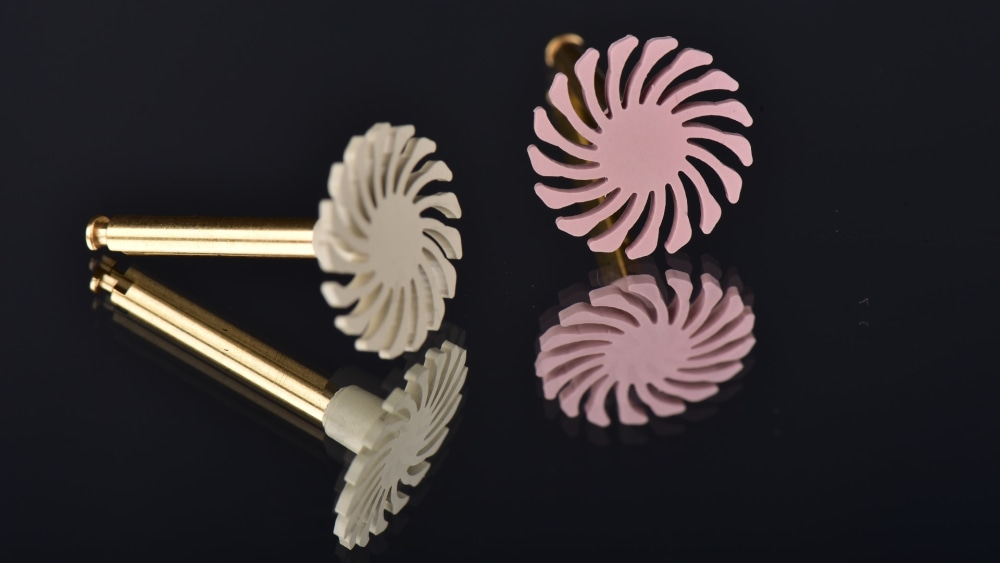
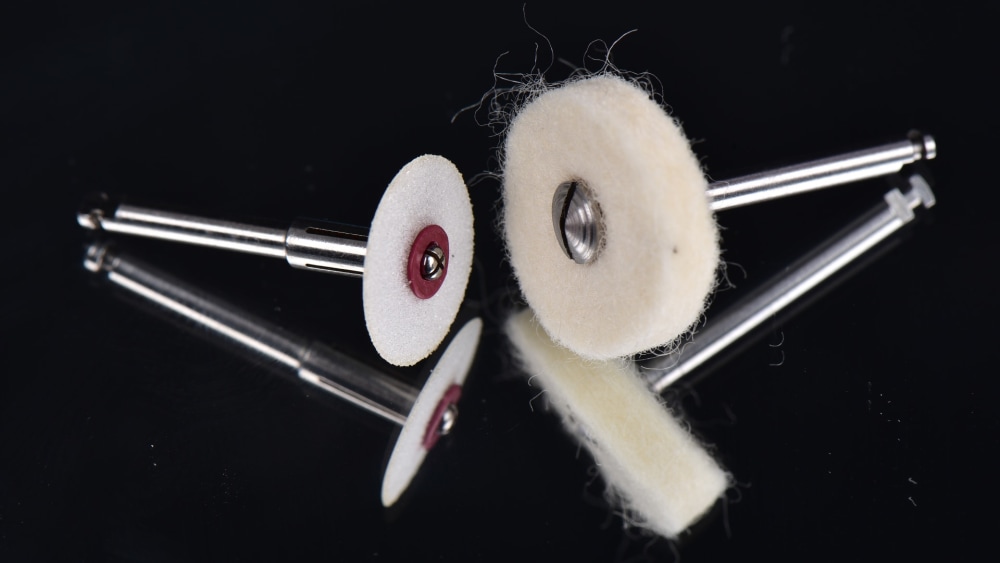
The artistry of anterior esthetic composite restorations lies in the delicate balance between scientific knowledge and manual dexterity. Achieving a "satisfactory level"—one where the restoration is indistinguishable from natural tooth structure—requires a dentist to master a specialized sequence of instruments, transitioning from bulk shaping to high-luster polishing. The Foundation: Shaping and Handling The process begins with the sculpting phase. Unlike posterior teeth where function is the primary driver, anterior teeth require the reproduction of complex anatomy, such as mamelons and subtle developmental grooves. - Composite Placement Instruments: Dentists use non-stick, titanium-coated spatulas and fine-tipped "IPIC" (Interproximal Incisor) instruments to layer resin. - Brushes and Modeling Resins: Many clinicians use specialized synthetic brushes dipped in a tiny amount of modeling resin to smooth the composite surface before curing, reducing the need for aggressive finishing later. Refinement: Finishing Stones and Discs Once the composite is polymerized, the "macro-texture" must be refined. This is where the restoration begins to take its anatomical shape. - Finishing Stones: Fine-grit diamond or carbide finishing burs (often flame or needle-shaped) are used to adjust the incisal edge and create primary anatomy. They allow for precise removal of excess material at the gingival margins. - Finishing Discs: Flexible abrasive discs are essential for the interproximal areas and the "embrasures." By using a sequence from coarse to superfine, the dentist can create a flat, reflective surface that mimics the natural light reflection of enamel. The Final Glow: Polishing Wheels and Pastes The final stage is the pursuit of "micro-texture" and luster. A restoration that looks good under room light may look "plastic" if it lacks the correct surface gloss. - Polishing Wheels and Spirals: Rubberized polishers, often impregnated with diamond particles, are used to reach into the grooves created during the finishing stage. Because they are flexible, they preserve the anatomy while smoothing the surface. - Buffing Wheels: The "optical mystery" of a tooth is finalized using felt wheels or goats-hair brushes combined with a sub-micron aluminum oxide or diamond polishing paste. This creates a "wet-look" shine that matches the surrounding natural teeth.
No comments yet, but you can always be the first